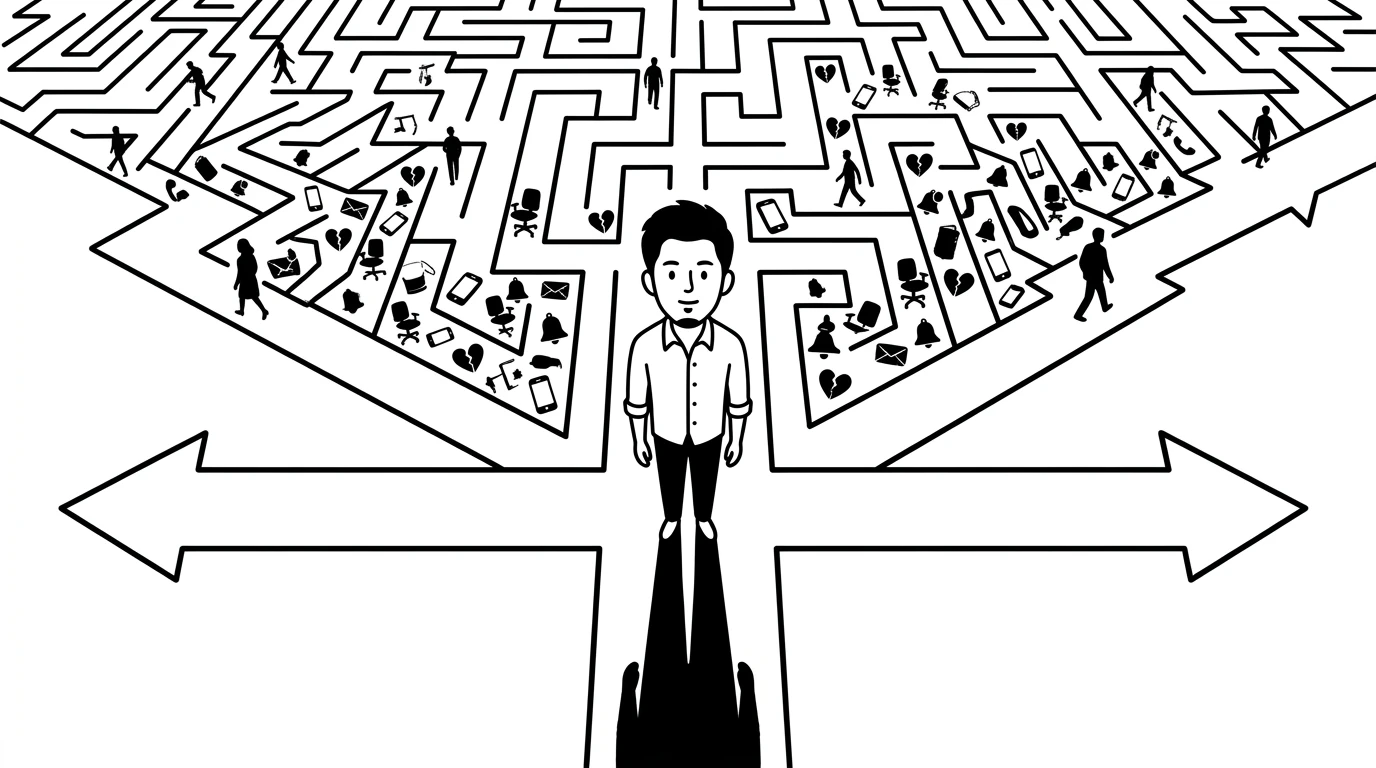
when one of our employees, nevin, walked into my cabin for his final conversation before his final goodbye to the team, he asked me a simple question.
how did i get here. how did i become someone who can make these decisions.
i smiled and told him something that would have sounded strange if you only saw the outside.
it all started with a panic heartbeat.
the discord bot era
when i launched ufe (our first app), i set up a discord bot to notify me every time installed or uninstalled the app.
installs felt good. uninstalls did something else.
every uninstall used to send my heart racing. not metaphorically. literally.
western merchants would start their day when it was nighttime for us in india. so a lot of those notifications came before bed, around 8 p.m. and later, exactly when my mind should have been shutting down.
once, i was at my aunt’s house when an uninstall notification hit my phone. i walked outside the gate and started pacing left and right, staring at the screen like something terrible had happened.
my aunt noticed and asked what was wrong. i told her, “yeah, nothing.”
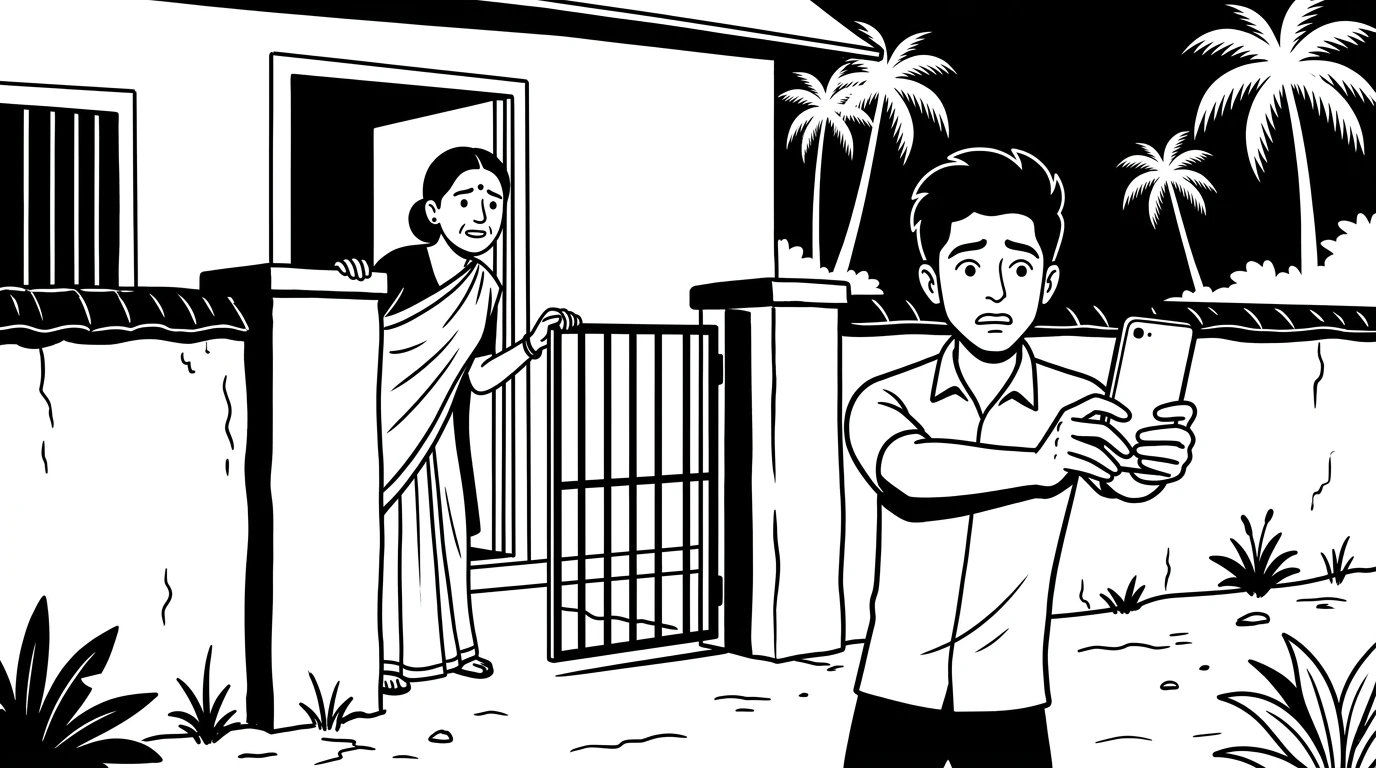
but it was not nothing.
at that stage, i was too soft-hearted for the kind of game i had entered.
soft-hearted is not weakness. low tolerance is.
i think a lot of people never realized that about me.
outside, i could talk, joke, engage, and look normal. inside, my tolerance for certain kinds of pain was low.
that part of me is old.
i still remember something from 10th standard. during a parents meeting, one teacher described me as a “silent ozhappan.” basically a quiet underperformer who used to be first or second from the bottom of the list. the kind of student who drifts and avoids the real work.
my mathasree (mother) still uses that word whenever she gets a chance to laugh at me. :D even when i want to forget it, she brings it back. :D
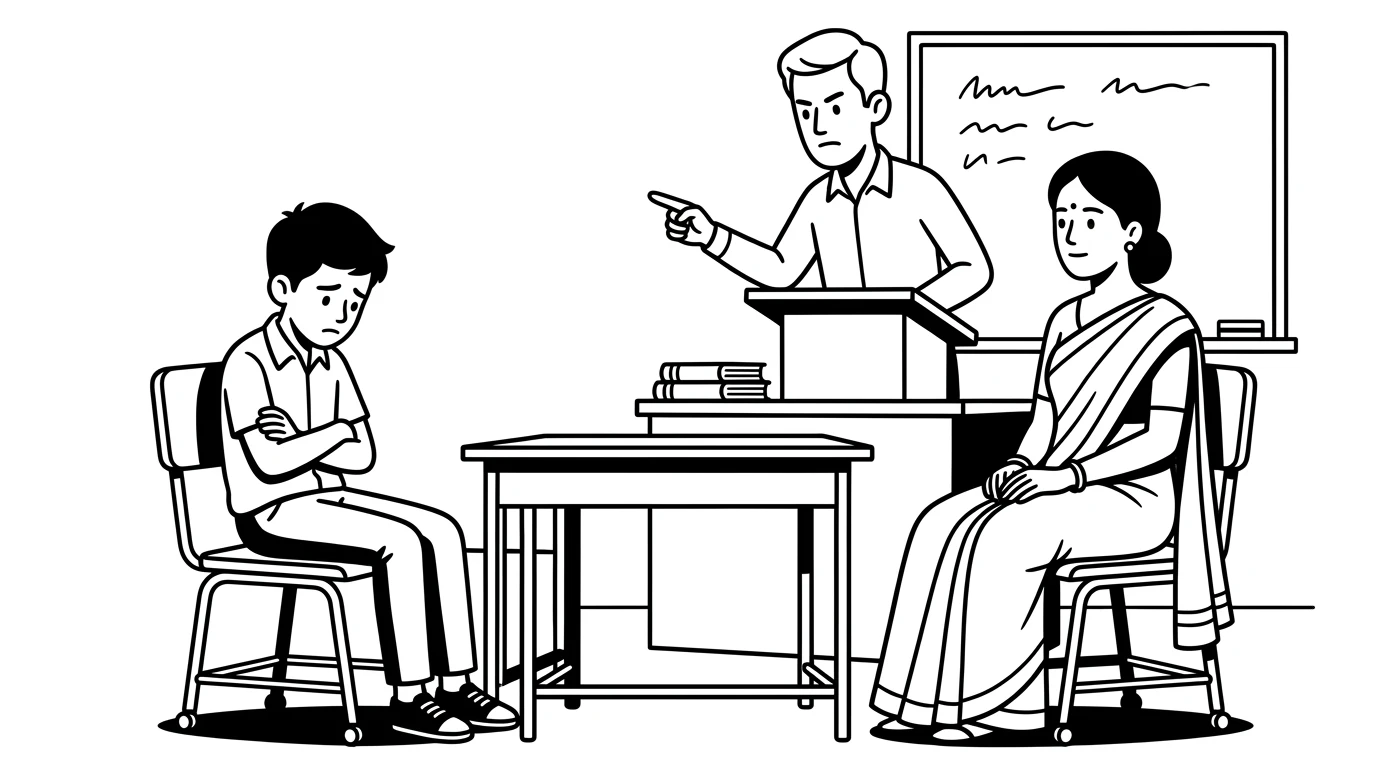
moments like that stay somewhere inside you.
so when the business started giving me live feedback in the form of uninstalls, the problem was not just churn. the problem was that each signal landed on a nervous system that had not built enough tolerance yet.
every heartbeat raised that tolerance a little.
that is the real story. not overnight success. not some founder movie scene where someone does one thing today and buys a lamborghini tomorrow. just six years of reality increasing my tolerance level one incident at a time.
the founder misunderstanding i had to kill
i used to think i could never do business without a partner. i was too soft to imagine doing it alone.
today, my perspective is different.
when we started, the company was mostly about making money. later, after enough crucial conversations and enough reality, that became too small a reason for me.
what gives me energy now is different. building helixo into a 100-year brand. helping people grow from entry level to director level. building products that make customers feel they are in safe hands and do not need to keep looking elsewhere.
i have the confidence to do it as a single founder. i do not need a partner to emotionally carry the dream with me. i need the right people who can help turn the dream into reality and give the dream legs.
that change did not come from reading some business quote. it came from repeated heartbreak.
i had a deep misunderstanding in the early years. i thought every employee or team member would treat the company like their own child, the way i did.
that is not how the world works.
people can like you, praise you, respect you, benefit from the company, and still not hold the company in the way you hold it.
once i understood that, i started seeing another distinction very clearly.
commitment as emotion vs commitment as strategy
one of the hardest lessons i learned was this.
commitment as an emotion is unreliable. commitment as a strategy is reliable.
early on, i measured the wrong things.
i would notice whether people publicly shared company events, spoke about helixo with visible pride, or showed emotional attachment in ways i expected. if they did not, it affected me. i got frustrated. i got heartbeats.
why?
because i was depending on commitment as an emotion.
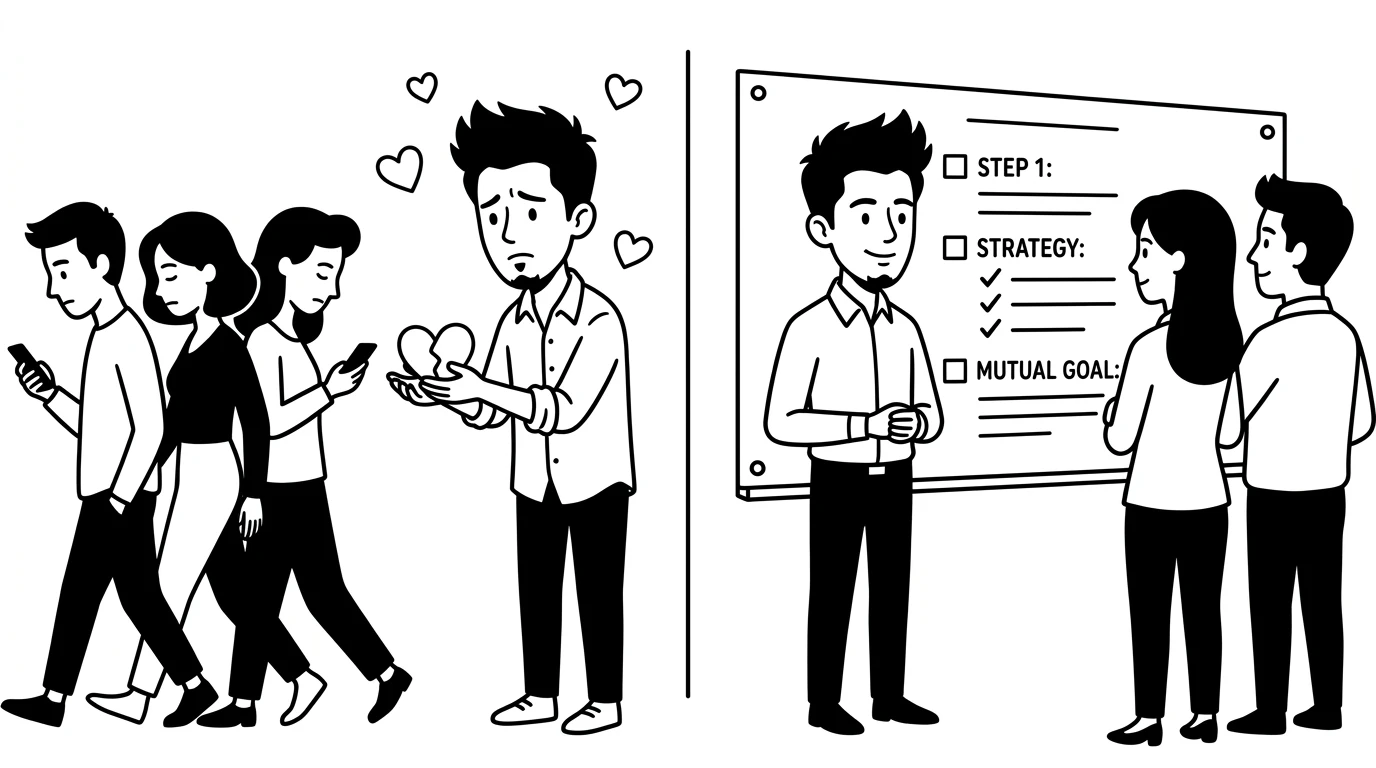
i thought, we care about people, we do good things for them, we stand by them, so naturally they will carry that emotionally and reflect it back.
that was not a system. that was my wish.
commitment as a strategy is different.
you define what commitment looks like. you connect it to responsibilities, metrics, consequences, benefits, timelines, and clarity. then it becomes predictable.
humans are emotional. emotions are unstable. strategy is what makes commitment visible and measurable.
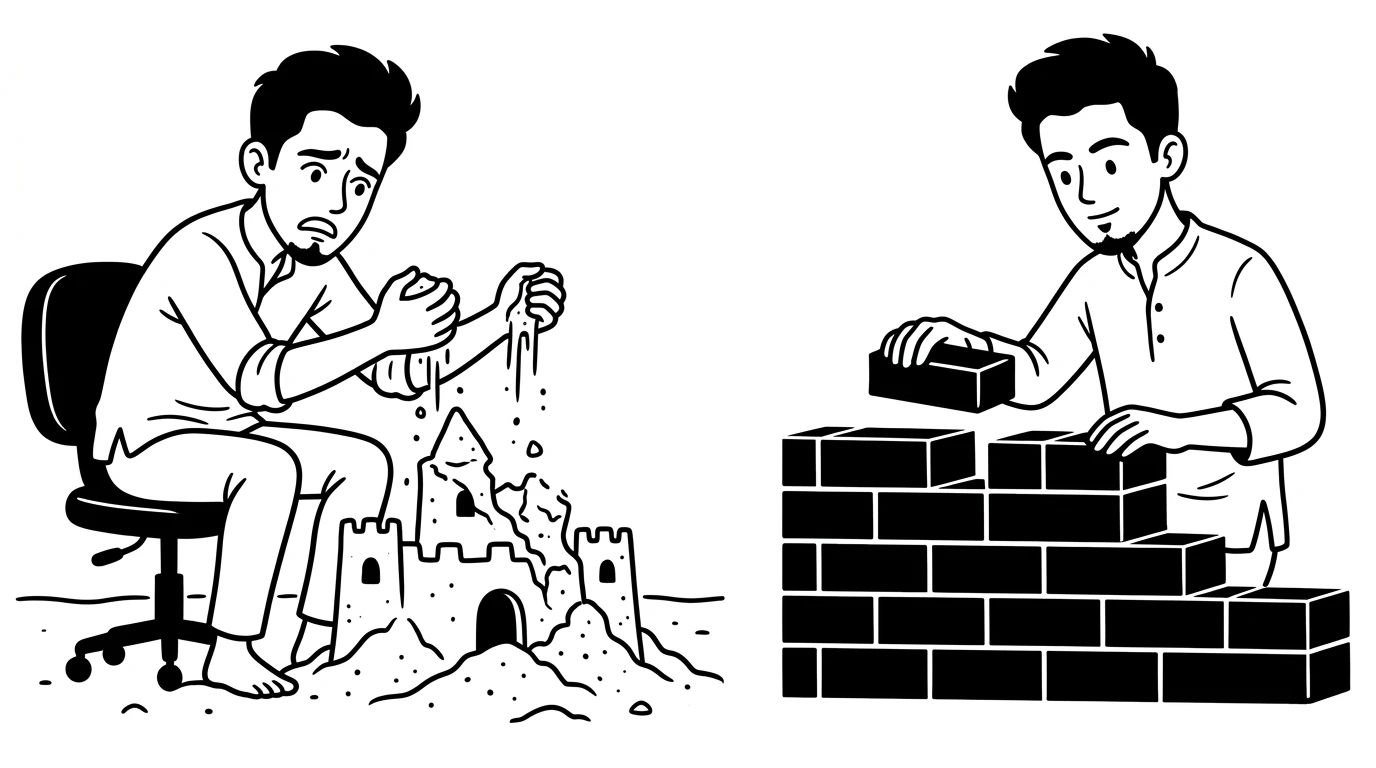
that realization changed how i build teams.
family culture is a trap
later, as more employees joined, i became even more clear about something that many companies still romanticize.
family culture does not work.
family is built on unconditional love.
a company cannot run on unconditional love.
what works is a high-performing sports team.
that does not mean coldness. it means clarity.
if sachin is out of form, the Indian team still has to win in cricket. if someone is weakening the team, the team has to respond. the mission comes first.
in a company, the only truth is results. results that move the company toward its vision. results that create growth. results that protect profitability.
in this ai era, startups are popping up everywhere. building is easier. survival is harder. if the failure rate was already high before, it is even more brutal now.
that is why sports team culture matters. it gives you something reliable and repeatable.
we now include this principle in our initial training for every new employee.
ethics, exits, and the day my view changed
some of the hardest heartbeats did not come from customers.
they came from employees i cared about.
early joined people. people i mentored. people i wanted to see grow into top positions in the company.
then one fine day, some of them would come and ask to leave immediately, or almost immediately, even when they knew there were dependencies and no backup in place.
that was a brutal education.
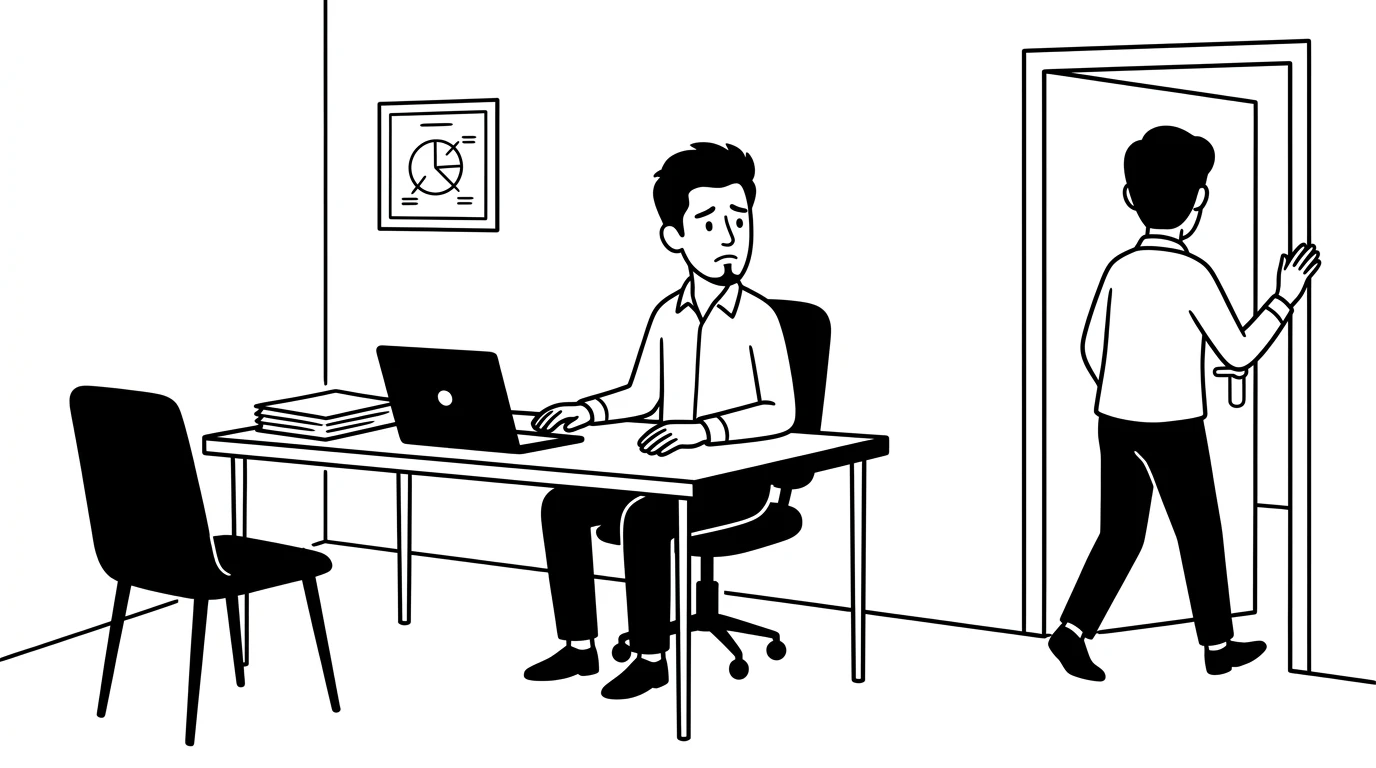
this is not even just about ownership mindset. one of my friend vivek says there are two broad kinds of people by mindset: mottalali vargam and thozhilali vargam. owner mindset and employee mindset.
but the painful lesson for me was even more basic than that.
ethics.
how a person handles a situation when other people are depending on them.
those moments taught me why companies need policies, rules, notice periods, agreements, and offer letter boundaries.
not because the world is evil.
because humans are unpredictable.
and when the company is small, unpredictability can wound it badly.
at the end of the day, one of the primary responsibilities of a ceo is simple: don’t let the company die.
some people are only good at the interview
there was another reality check.
some people look great in the interview. they can speak well, impress well, promise well.
later, you realize they are good at only one thing: performing in that interview.
we even had one guy who had mastered one specific skill — saying “sure” in different ways, angles, and emotions.
for a while, that can fool you.
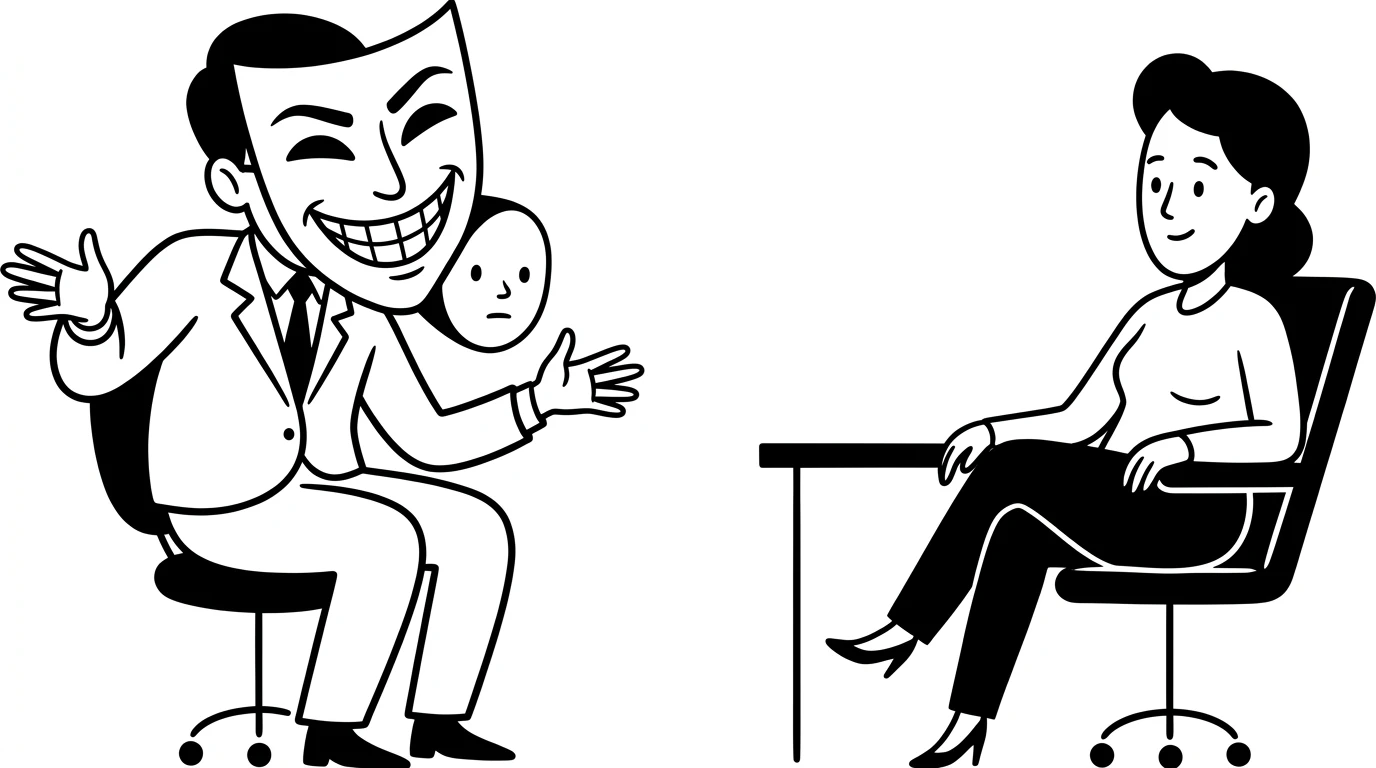
then reality arrives.
nothing beyond that works.
when i started seeing these patterns clearly, i also understood something else.
not everyone deserves extended patience.
some people need coaching. some people can adapt. some people will genuinely grow.
and some people need to be detected early and fired fast.
culture protection is not cruelty
later, many dramas happened.
some people fought to stay at helixo because good things were happening here. some wanted the benefits of being inside the company without actually fitting the culture.
that is dangerous.
if negativity starts spreading through a company, delaying action is expensive.
if someone is not a cultural fit, you should not need a second thought.
i remember a line from girish mathrubootham (founder freshworks) that stayed with me:
“we can’t put in to people what god intentionally taken out.”
harsh line. but useful.
some habits and behaviors can be corrected. some run too deep. some do not change.
there are good humans who can adapt and improve as people and professionals.
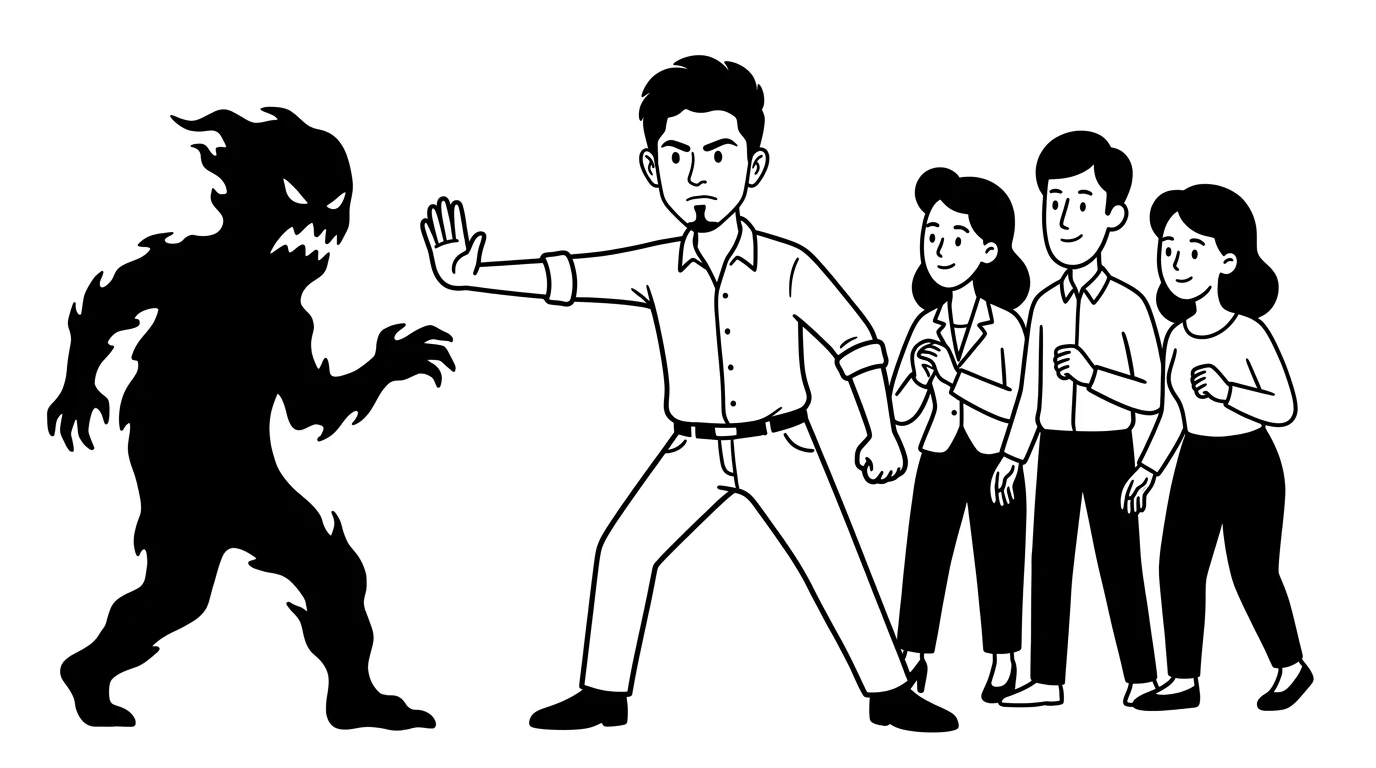
there are also bad actors.
stopping them fast can save the culture of the whole company.
customer support broke ego for me too
another lesson came from support, where helixo’s mission is 101% customer satisfaction and we even had strict checklists for that.
some people have high self-esteem in the worst way. the kind that makes them feel, “i am the king. i am above this. i am ruling the world”
that mindset fails badly in customer support.
support is where empathy matters most.
even when a customer comes angry, you have to understand their side, step into their shoes, and respond from there.
that process breaks lot of ego. it adds experience. it makes you a better professional and, honestly, a better human.
high self-esteem in that rigid form blocks growth.
empathy grows people.
ambi, remo, anniyan
when i look back at these six years, i can explain my phases through anniyan.
in the initial days — i was ambi — the soft-hearted version of me. vulnerable. easily shaken. easy to exploit. the guy who still did not fully understand when he was being taken advantage of.
remo was the unconditional-love version. the one who saw everyone in the company as brothers and sisters. the one who would go all in for people, even beyond what the role required, and paid for that with more heartbreaks.
anniyan is the phase that understands reality. the dirty games. the hard truths. the need for sharp decisions. the anger that wants to keep the system clean and the company in good condition.
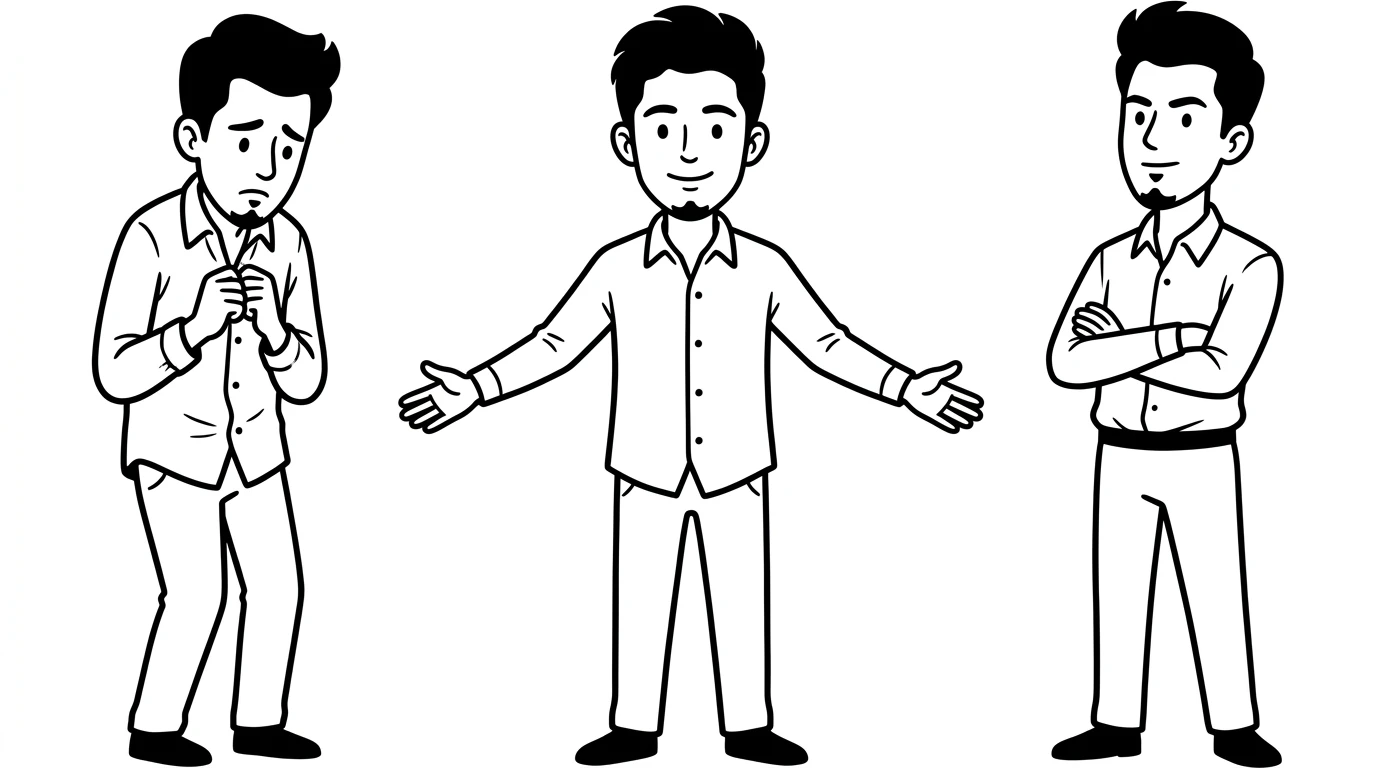
i have gone through all three.
…and that story deserves its own post.
when i became a blind ceo
there was a phase when i moved away from being a builder and started acting like a ceo.
that was one of my costliest mistakes.
i started as a developer. product was my strong hand. but for a phase, i drifted away from it. my github commits almost went to zero.
i still regret that deeply.
it reflected in the product.
while i was busy acting like a ceo, the product was slowly going out of the game. competitors kept releasing better things. our app was aging. and the worst part is, i did not even see it clearly at the time.
i was being a blind ceo.
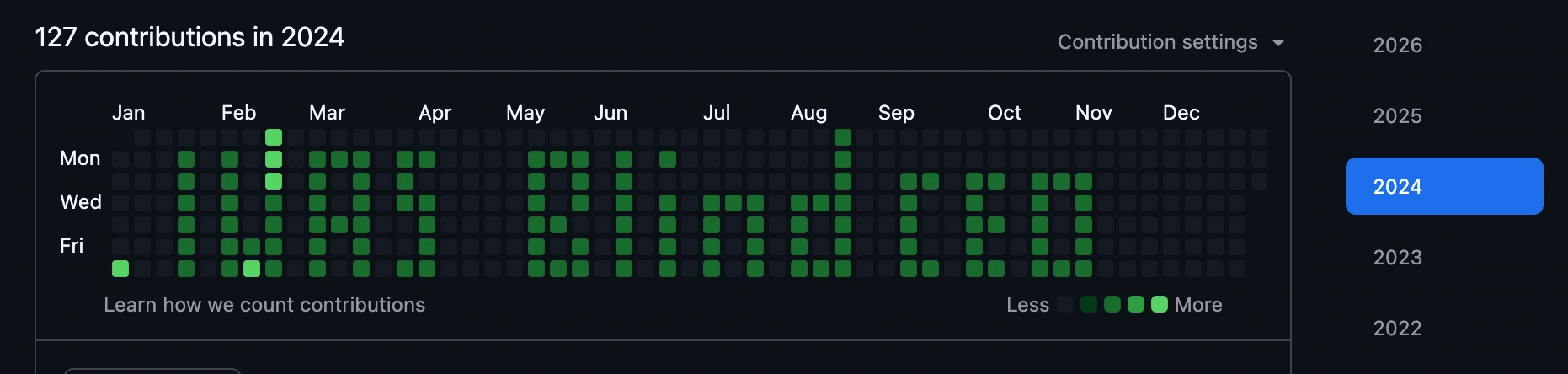
later, i even turned that into a piece of art in my commit graph — “the blind ceo.”
that phase taught me something i will not forget again.
if a founder is strong in product, they should never fully abandon product thinking.
you can delegate execution. you cannot delegate vision.
you can take inputs. you cannot go blind on what the dream should look like in reality.
that is why i came back closer to the product and stepped into the cpo role again.
i do not want to be a ceo who watches from a distance while the product loses its edge.
i want to stay close enough to shape what we are building.
the ceo seat costs heartbeats
all of this shaped how i make decisions now.
even decisions like changing the role or position of a longtime friend in the company and taking that responsibility myself.
personally, they may be my friend.
professionally, if i do not make the right decision for the company’s growth, then i do not deserve to sit in the ceo seat.
that is the cost of the chair.
those crucial conversations taught me a lot.
the heartbeats did too.
every uninstall. every resignation. every betrayal. every wrong hire. every delayed decision. every bold correction.
they collectively shaped who i am today.
and the truth is, this is not over.
there are many more heartbeats to come.
that is fine.
if i am learning, changing, increasing my tolerance, and raising my quality benchmark, i am growing.
if not, i am stagnant.
and stagnation is the worst thing a founder can choose.
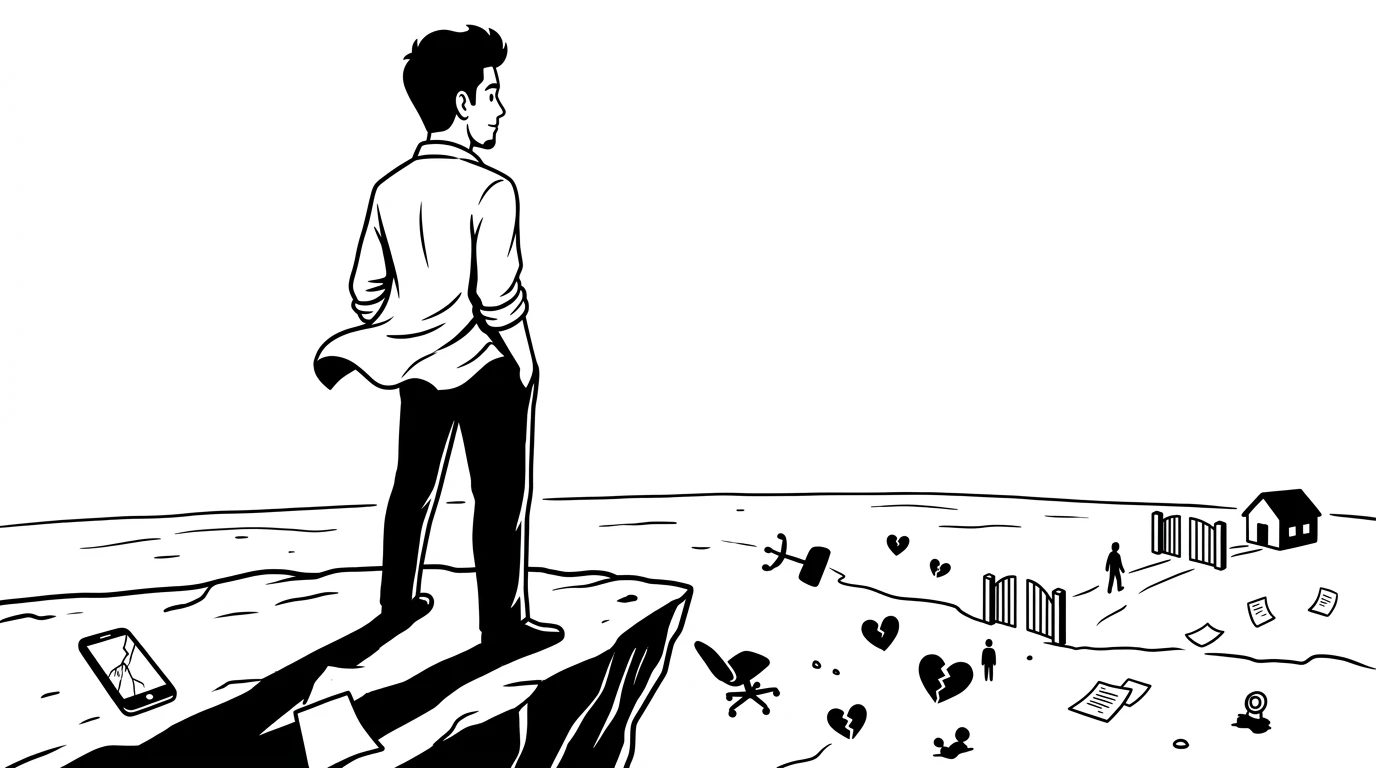
but here is the other side of it.
helixo is too selfish and damn generous about its people.
the ones who build this thing. who trust the vision and grow helixo every single day. they get treated differently. generously. because they earned it.
all this sharpness exists to protect them. to protect the environment they deserve.
my past proves that.
takeaways
- every strong founder has a phase where reality hits harder than skill can handle. growth starts when your tolerance catches up.
- uninstalls, exits, and hard conversations are not side effects of the journey. they are the journey.
- commitment feels good as an emotion, but only strategy makes it dependable.
- family culture sounds warm, but sports team culture wins.
- protecting culture early is not cruelty. it is responsibility.
- empathy is not softness. in the right role, it is strength.
- if your quality benchmark is not rising, you are not growing.
see you tomorrow!